
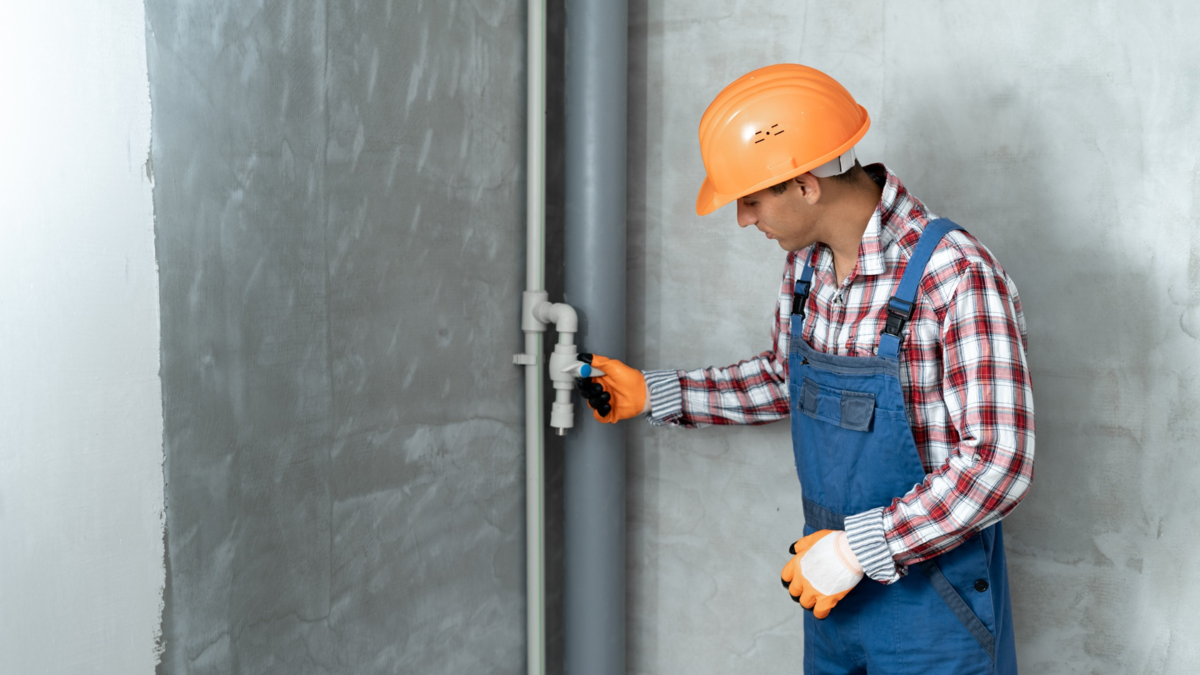
RERA Defect Liability Period: How Long Is It and How Can Homebuyers File a Claim?
The defect liability period is the five-year period after possession during which builders are responsible for rectifying construction-related defects reported by homebuyers under RERA. But what defects are covered, how much time does the builder have to fix them, and what can homebuyers do if the builder fails to act? Understand Section 14(3) of RERA, the claim process, and a recent case for better understanding.
Defect Liability Period Under RERA
Under Section 14(3) of the Real Estate (Regulation and Development) Act, 2016, a promoter is responsible for rectifying such defects reported by the allottee within five years from the date of handing over possession, without charging the homebuyer.The provision also requires the promoter to rectify the reported defects within 30 days of receiving the complaint. If the promoter fails to do so, the homebuyer can seek appropriate compensation under RERA.
Duration and Applicability of the Defect Liability Period
The defect liability period under Section 14(3) of RERA is five years from the date of handing over possession of the property.- Duration: 5 years from the date of possession.
- Rectification period: 30 days from the date the defect is brought to the promoter's notice.
- Cost of repairs: The promoter must rectify the defects without charging the homebuyer.
- Failure to rectify: The homebuyer can seek appropriate compensation under RERA if the promoter fails to address the defects within the stipulated period.
Types of Defects Covered Under RERA
Section 14(3) covers more than structural damage. It includes defects related to construction quality, workmanship and services.Some examples include:
- Structural defects: Cracks in structural elements, faulty foundations or other structural issues that affect the building's stability.
- Poor workmanship: Cracks in walls, improper flooring, faulty fittings or defective finishing.
- Quality defects: Substandard construction materials, faulty waterproofing or poor-quality installations.
- Service-related defects: Issues with plumbing, drainage, electrical installations or other services provided as part of the project.
- Other contractual obligations: Deficiencies in work or services that the promoter is responsible for under the agreement for sale.
Importance and Benefits for Homebuyers
The defect liability period provides homebuyers with a statutory safeguard after possession, when construction-related issues may become apparent during actual use of the property.- Protection against construction defects: Homebuyers can seek repairs for defects that emerge after possession, including cracks, seepage, faulty installations and poor workmanship.
- No additional repair costs: The promoter is responsible for rectifying qualifying defects without charging the homebuyer.
- Accountability for construction quality: The provision holds promoters responsible for construction and service-related deficiencies even after the property has been handed over.
- Time-bound resolution: The promoter is required to rectify reported defects within 30 days, reducing the scope for prolonged delays.
- Right to compensation: If the promoter fails to rectify the defects within the stipulated period, homebuyers can seek appropriate compensation under RERA.
- Protection beyond possession: The homebuyer does not lose the right to raise construction-related complaints simply because the property has been handed over or occupied.
Recent RERA Case on Roof Leakage and Builder Liability
To understand how the defect liability provision under RERA works in practice, let’s look at a recent case involving roof leakage in a newly purchased apartment in Nizamabad, Telangana. The homeowner approached Telangana RERA after recurring leakage damaged the interiors and caused the POP ceiling to collapse. The homeowner alleged that the builder failed to fix the issue despite repeated assurances.Case: Homeowner v. Builder before Telangana RERA
A homeowner in Nizamabad, Telangana, approached the state RERA authority after facing recurring roof leakage in his newly purchased apartment. The leakage worsened during the monsoon, damaged the interior and led to the collapse of a POP ceiling.The homeowner alleged that the builder failed to resolve the leakage despite repeated assurances. The builder, however, disputed several of the complaints relating to incomplete work and construction defects.
What did Telangana RERA decide?
- Telangana RERA recognised the terrace leakage as an issue falling under Section 14(3) of the RERA Act.
- It directed the builder to inspect the terrace and carry out the necessary rectification work within 60 days.
- The homeowner was asked to provide access to the builder for inspection and repairs.
- The authority warned that failure to comply with its order could lead to a separate penalty.
What can homebuyers learn from this case?
- Roof leakage, seepage and waterproofing failures can fall within the defect liability provisions even if the builder disputes their severity.
- Homebuyers need evidence to establish construction defects. Photographs, videos, inspection reports and written complaints can strengthen their case.
- A builder's assurances or temporary repairs do not necessarily resolve the issue if the defect continues to recur.
- Homebuyers can seek directions from RERA to ensure that the builder carries out the necessary repairs.
Filing a Defect Liability Claim Under RERA
If the builder fails to rectify a defect or does not respond to the complaint, homebuyers can approach the respective state RERA authority.Step 1: Notify the builder in writing
Report the defect to the builder through email, a written complaint or the builder's official grievance channel. Mention when you noticed the issue and request rectification under Section 14(3) of RERA.
Step 2: Collect supporting evidence
Keep documents that establish the defect and your communication with the builder, such as:
- Photographs and videos of the defect
- Possession letter and agreement for sale
- Inspection reports from qualified professionals, wherever necessary
- Emails, complaint numbers and written responses from the builder
- Records of previous repairs and recurring issues
The promoter is required to rectify the reported defect within 30 days without charging the homebuyer. Keep a record of when the complaint was submitted to establish the timeline.
Step 4: File a complaint with the state RERA authority
If the builder fails to resolve the issue, the homebuyer can file a complaint with the respective state RERA authority through its official portal.
The complaint should include:
- Details of the homebuyer and promoter
- Project name and property details
- Nature of the defect
- Date on which the defect was reported
- Evidence of the defect and communication with the builder
- Relief sought, such as rectification or appropriate compensation
The homebuyer can seek directions requiring the promoter to rectify the defect. If the promoter fails to comply with the statutory obligation, the homebuyer can also seek appropriate compensation under RERA, subject to the applicable legal process.
Key Precautions During the Defect Liability Period
- Report defects within five years from the date of possession.
- Do not rely solely on verbal assurances from the builder.
- Maintain written records of every complaint and follow-up.
- Document recurring defects, even if the builder has attempted repairs.
- Seek a professional inspection if the defect involves structural safety, recurring seepage or major construction issues.
- Do not confuse routine maintenance issues with defects arising from poor workmanship or construction quality.
How TOI Homes Can Help
TOI Homes is a premium real estate brokerage platform. It lists selected projects from trusted builders, with a strong focus on verified information and clear project details. This makes it easier for buyers to check important documents and avoid common risks.Beyond property search, TOI Homes also supports buyers with home loan assistance and legal guidance. Support continues even after purchase through post-sales services. Backed by the credibility of The Times of India Group, TOI Homes offers a more reliable and transparent homebuying experience.
Frequently Asked QuestionsFAQs
The defect liability period under Section 14(3) of RERA is five years from the date of handing over possession. During this period, the promoter is responsible for rectifying qualifying defects reported by the homebuyer.
It covers structural defects, defects in workmanship, construction quality, provision of services and other obligations of the promoter under the agreement for sale. Issues such as cracks, seepage, faulty plumbing and poor waterproofing may fall within its scope, depending on their nature.
Yes. If the promoter fails to rectify the reported defect within 30 days, the homebuyer can seek appropriate compensation under RERA.
The homebuyer should first notify the builder in writing and preserve evidence, such as photographs, videos, inspection reports and correspondence. If the builder fails to rectify the defect within 30 days, the homebuyer can approach the respective state RERA authority and seek rectification or compensation.
Yes, seepage and water leakage arising from construction defects, faulty waterproofing or poor workmanship may fall under Section 14(3). The promoter may be required to rectify such issues without charge if they are reported within the five-year defect liability period.
Disclaimer: The information presented by TOI Homes, part of The Times of India Group, is for general informational purposes only and does not constitute financial, legal, or investment advice. All data and insights are based on sources believed to be reliable but are not guaranteed for accuracy or completeness and are subject to change due to market conditions. The developer and associated entities are not liable for decisions made based on this information. Real estate investments involve risks, and buyers are advised to conduct independent due diligence and consult certified advisors before investing. TOI Homes does not endorse or promote any specific property or developer unless explicitly stated.