The Complete Guide to Understanding RERA Act Regulations for Modern Homebuyers Seeking Transparent Real Estate Investments
Discover how the RERA Act protects your property investments by ensuring total transparency and developer accountability. This ultimate guide explains the RERA full form, how the regulatory authority works across Indian states, and the essential steps to verify registered projects. Learn about standardized carpet areas, escrow account rules, and structural defect liabilities to secure a safe and stress-free home-buying journey today.
Let’s learn how RERA works. Plus, important steps for any modern homebuyer to secure their financial future.
What is RERA and Its Full Form?
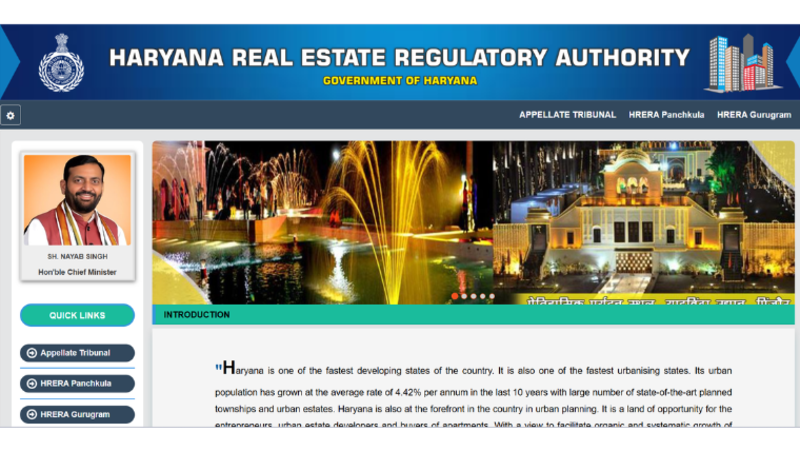
RERA stands for the Real Estate Regulatory Authority. It was established under the Real Estate (Regulation and Development) Act of 2016.While the Act was passed by the Central Government, real estate is a state subject in India. This means that each state and Union Territory has its own specific RERA body (such as MahaRERA in Maharashtra, UP-RERA in Uttar Pradesh, or HRERA in Haryana). It is used to implement the rules and handle local grievances.
RERA acts as a dedicated watchdog for the housing industry. It ensures every stakeholder, from the builder to the broker, follows the same set of rules.
How Does RERA Work in India?
RERA works by creating a mandatory registration system for all real estate projects. Here is how RERA works in India:- Mandatory Registration: No developer can advertise, sell, or book a plot or apartment in a project that is not registered with the state RERA. This applies to projects where the land area exceeds 500 square meters or involves more than eight apartments.
- The Escrow Account Rule: Builders are required to deposit 70% of the money collected from buyers into a separate Escrow Account. These funds can only be used for land and construction costs of that specific project. It ensures developers cannot divert their clients' money and start new projects.
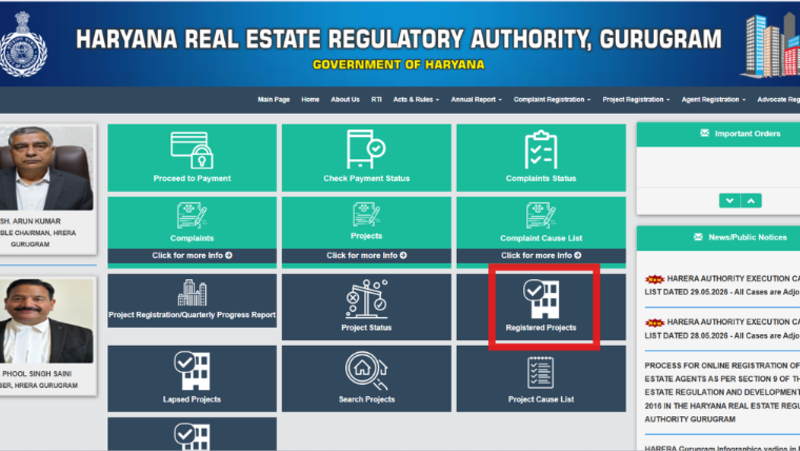
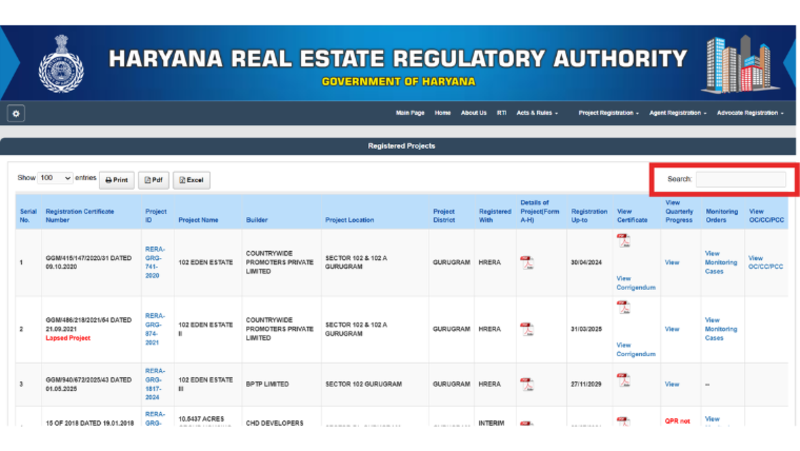
- Continuous Monitoring: Builders must provide quarterly updates on their project’s progress on the official RERA website. With modernization, many states have integrated AI-driven tracking and live photo updates. With this feature, you can see your home being built from your smartphone.
Key Benefits of RERA for Homebuyers
The implementation of RERA has shifted the power dynamic back to the consumer. Here are the primary benefits:- Standardized Carpet Area: Before RERA, builders used confusing terms like “super built-up area” to inflate prices. RERA mandates a uniform definition of carpet area (the actual usable area within the walls), ensuring you pay only for the space you truly get.
- Right to Information: Buyers have the legal right to access sanctioned plans, layout designs, and the implementation schedule of the project.
Frequently asked QuestionsFAQs
RERA or Real Estate Regulatory Authority is a 2016 Indian law designed to regulate the real estate sector. It mandates registration of projects, ensures transparency in construction. It also requires 70% of funds to be kept in escrow for construction, and provides fast-track dispute resolution.RERA or Real Estate Regulatory Authority is a 2016 Indian law designed to regulate the real estate sector. It mandates registration of projects, ensures transparency in construction. It also requires 70% of funds to be kept in escrow for construction, and provides fast-track dispute resolution.
Disclaimer: The information presented by TOI Homes, part of The Times of India Group, is for general informational purposes only and does not constitute financial, legal, or investment advice. All data and insights are based on sources believed to be reliable but are not guaranteed for accuracy or completeness and are subject to change due to market conditions. The developer and associated entities are not liable for decisions made based on this information. Real estate investments involve risks, and buyers are advised to conduct independent due diligence and consult certified advisors before investing. TOI Homes does not endorse or promote any specific property or developer unless explicitly stated.