
How Much Rental Income Can NRIs Earn in Gurgaon?
For NRIs investing in Gurgaon’s property market, rental income can be an important source of regular earnings. But how much rent can a property generate in this market? This blog looks at rental values across different apartment configurations in Gurgaon and the factors that influence rental returns. It helps NRIs assess the income potential of their property and understand how rental earnings fit into their broader investment plans.
Key Micro-Markets in Gurgaon
NRIs can invest in different residential markets in Gurgaon to earn rental income. However, rent varies across neighbourhoods and property configurations.Recent real estate research reports estimate an average monthly rent of approximately ₹40,100 for a 2 BHK apartment and ₹58,400 for a 3 BHK apartment in Gurgaon’s popular localities during Q1 2026. DLF Phase 5 recorded average rents of ₹56,300 for a 2 BHK and ₹88,400 for a 3 BHK during the same period.
At the same time, Sector 65 recorded average rents of ₹58,000 and ₹83,600 for the respective configurations. These figures show how rental income can vary across Gurgaon. A premium apartment may command higher monthly rent, but its purchase price may also be substantially higher. Therefore, NRIs should compare achievable rent with the total property cost before deciding where to invest in Gurgaon.
Golf Course Road and DLF Phase 5
Golf Course Road and DLF Phase 5 cater to tenants looking for premium residential properties. These neighbourhoods have established residential communities and offer access to corporate offices, restaurants, shopping centres, and Rapid Metro stations.
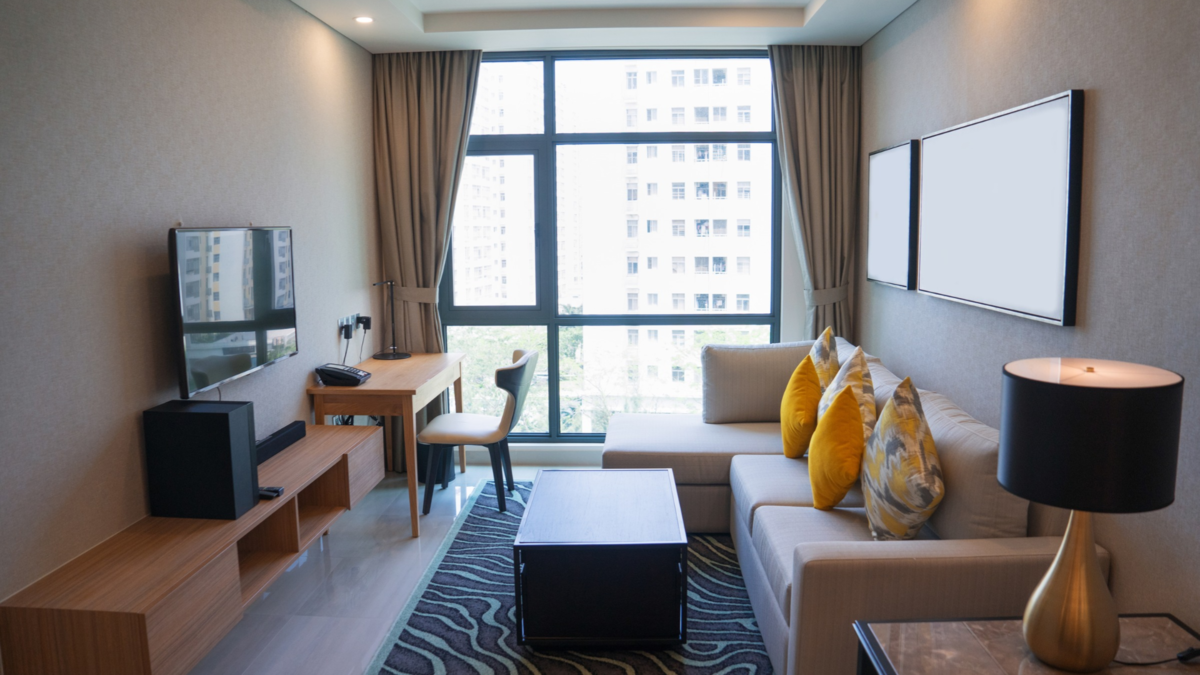
Representative Image
NRIs considering this market should compare the purchase price with the expected annual rent. A luxury property with high monthly rent does not necessarily deliver a higher rental yield.
Golf Course Extension Road and Sector 65
Golf Course Extension Road attracts tenants who want access to established business districts and residential infrastructure. Sector 65 has residential communities with different apartment configurations and amenities.In Q1 2026, the average monthly rent in Sector 65 stood at ₹58,000 for a 2 BHK apartment and ₹83,600 for a 3 BHK. The locality can suit NRIs evaluating properties for professionals and families who prefer gated communities.Before investing, buyers should compare rental rates across similar projects. They should also account for maintenance charges, furnishing expenses and periods without tenants. and Sector 49 provide residential options across different budgets. The surrounding areas have housing societies, schools, healthcare facilities, retail centres and access to employment hubs in Gurgaon.Real estate market reports indicated an average monthly rent of ₹42,800 for a 2 BHK and ₹58,200 for a 3 BHK in Sector 49 during Q1 2025. These historical figures provide a reference point, but NRIs should check more recent listings and comparable rental transactions before estimating returns.Investors should assess the property's access roads, condition, maintenance costs and proximity to workplaces. A well-maintained apartment with steady tenant demand can help reduce vacancy periods.Dwarka Expressway has attracted residential development because of its road connectivity and access to the wider Delhi-NCR region. Sector 102 is one of the residential locations along this corridor.In Q1 2026, the average monthly rent in Sector 102 stood at ₹29,100 for a 2 BHK apartment and ₹44,900 for a 3 BHK. These figures provide a useful reference for investors comparing rental income across Gurgaon’s established and developing markets.NRIs should check whether a project is ready for possession and occupied by residents. They should also review the surrounding infrastructure, access to public transport and the availability of everyday services. These factors can affect tenant demand and how long it takes to find a tenant.NRIs should compare annual rental income with the property's purchase price to estimate gross rental yield. This calculation helps investors assess how much rent a property generates relative to its acquisition value.For example, consider a 2 BHK apartment purchased for ₹1 crore and rented out for ₹30,000 per month.This example is illustrative and does not represent a guaranteed rental return for Gurgaon. Actual rental income depends on the property, locality and prevailing market conditions.NRIs should also calculate net rental yield after accounting for maintenance, repairs, property management fees and vacancy periods. Stamp duty, registration charges, furnishing and other acquisition expenses can increase the total investment and reduce the effective return.Rental income depends on more than the advertised monthly rent. NRIs should review the following factors before selecting a property.In addition to that, NRIs should also assess the property's condition and maintenance expenses. This is because a furnished apartment may command higher rent in some markets, but the additional furnishing and upkeep costs can affect net returns.So, rental income should form only one part of the investment decision. As an investor, you should also consider the holding period, liquidity requirements and expectations for capital appreciation. After all, a property with higher advertised rent may not deliver better overall returns if its purchase price and ongoing expenses are also higher.TOI Homes is a premium real estate brokerage platform. It lists selected from trusted builders, with a strong focus on verified information and clear project details. This makes it easier for buyers to check important documents and avoid common risks.Beyond property search, also supports buyers with home loan assistance and legal guidance. Support continues even after purchase through post-sales services. Backed by the credibility of The Times of India Group, TOI Homes offers a more reliable and transparent homebuying experience.Frequently Asked QuestionsFAQs
Rental income depends on the locality, apartment size, furnishing, property condition and tenant demand. Real estate research reports estimated average monthly rents of ₹40,100 for a 2 BHK and ₹58,400 for a 3 BHK in Gurgaon’s popular localities during Q1 2026. Individual properties can command higher or lower rents.
Golf Course Road, DLF Phase 5, Golf Course Extension Road, Sector 65, Sohna Road, Sector 49 and Dwarka Expressway are among the markets NRIs can evaluate. The right choice depends on the purchase price, achievable rent, tenant demand and ongoing expenses.
NRIs can divide the annual rental income by the property's purchase price and multiply the result by 100. For example, a property worth ₹1 crore that earns ₹30,000 per month generates ₹3.6 lakh in annual rent and a gross rental yield of 3.6%. Net yield will be lower after applicable expenses.
Yes. NRIs can purchase residential property in India, subject to applicable FEMA and RBI rules. Restrictions apply to certain property categories, including agricultural land, plantation property and farmhouses. Buyers should verify eligibility and documentation requirements before proceeding.
Yes. NRIs can appoint a reliable local representative or property manager to coordinate tenant screening, rent collection, maintenance and lease renewals. A clear management agreement and regular financial updates can help owners monitor the property from overseas.
Disclaimer: The information presented by TOI Homes, part of The Times of India Group, is for general informational purposes only and does not constitute financial, legal, or investment advice. All data and insights are based on sources believed to be reliable but are not guaranteed for accuracy or completeness and are subject to change due to market conditions. The developer and associated entities are not liable for decisions made based on this information. Real estate investments involve risks, and buyers are advised to conduct independent due diligence and consult certified advisors before investing. TOI Homes does not endorse or promote any specific property or developer unless explicitly stated.