
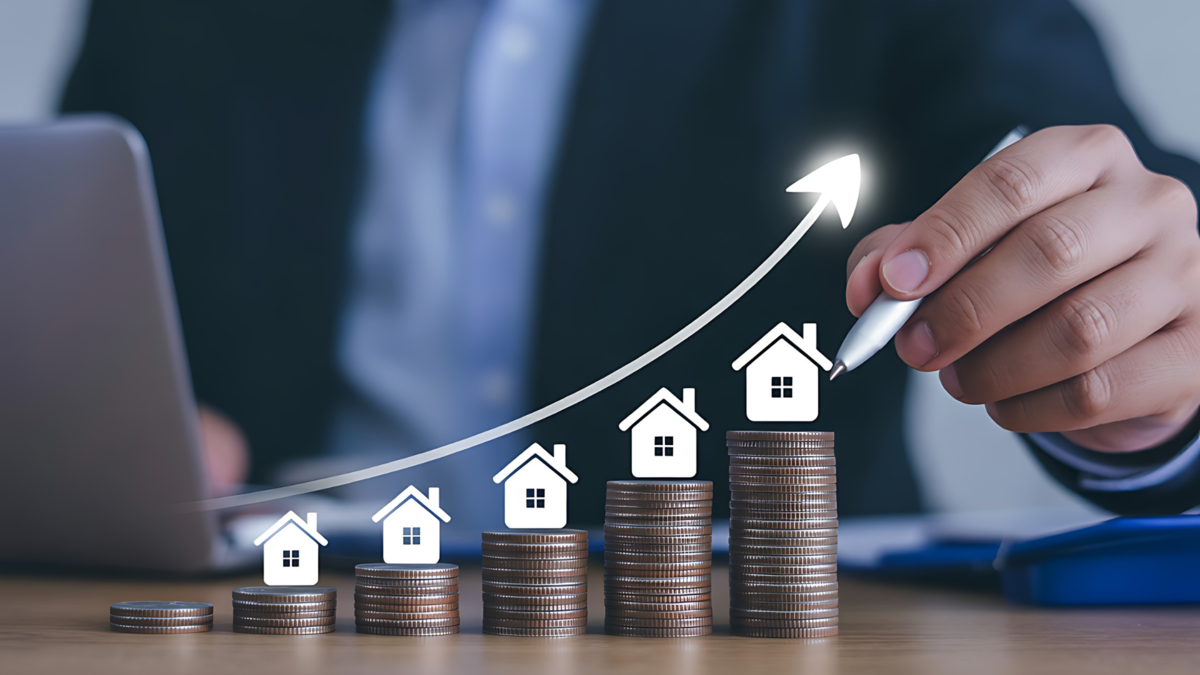
6 Key Factors That Influence Property Appreciation in Bangalore
Property appreciation in Bangalore depends on several factors, from location and infrastructure to employment opportunities and housing demand. This blog examines six key factors that influence residential property prices across the city. It also discusses how connectivity, social infrastructure, project quality, rental demand and future development can affect a property's appreciation potential and resale value.
That is why buyers now look beyond brochures and sample apartments. They want to understand what actually drives property appreciation in Bangalore. Factors like infrastructure, connectivity, rental demand, and upcoming commercial growth play a major role here.
The city also behaves differently compared to many other real estate markets in India. A new Metro line, a tech park expansion, or even a planned flyover can quickly change buyer demand in certain pockets. Areas that once felt too far from the city centre are now becoming prime residential zones.
Infrastructure Development
Infrastructure remains one of the biggest drivers of property appreciation in Bangalore. Roads, Metro connectivity, flyovers, and airport access directly affect where people choose to live. Once connectivity improves, demand usually follows quickly.A strong example is the impact of the Namma Metro expansion. Areas around Whitefield saw renewed buyer interest after Metro connectivity improved daily travel for IT professionals. Property values near Kadugodi and Hope Farm also rose as commuting became more practical.
The same trend is visible in North Bangalore. Road upgrades near Hebbal and the airport corridor development have drawn increased attention to Devanahalli and Yelahanka. Buyers often enter such locations early because they expect stronger appreciation once infrastructure projects become fully operational.
IT Hubs
Bangalore’s real estate market still revolves heavily around the technology sector. Areas close to major employment hubs usually witness stronger price growth because housing demand stays consistent. Working professionals prefer shorter commutes, especially in a city known for heavy traffic.That explains the popularity of locations like Bellandur, Sarjapur Road, Whitefield, and Outer Ring Road. Rental demand remains high in these pockets because thousands of professionals work nearby. Even local cafes and markets around these areas reflect the young working population that keeps moving in.
For example, residential demand around Ecospace and Ecoworld increased sharply over the years because employees wanted homes closer to their offices. A project located twenty minutes away from a major tech park often performs better than one with larger apartments but weaker connectivity.
Social Infrastructure
Good social infrastructure plays a huge role in property appreciation. Buyers no longer only look at the apartment. They also check schools, hospitals, shopping areas, and nearby entertainment options.That is one reason areas like Indiranagar, Jayanagar, and HSR Layout continue to hold strong value even when prices are already high. These neighbourhoods offer a complete lifestyle experience. Residents can access schools, supermarkets, restaurants, clinics, and public spaces without travelling long distances.Think about a family moving to Bangalore from another city. They usually prefer locations where daily life feels easier from the beginning. Access to places like Orion Mall in Rajajinagar or Phoenix Marketcity near Whitefield adds convenience that buyers genuinely value. Over time, such convenience supports a stronger appreciation.Some of Bangalore’s strongest appreciation stories have come from areas that looked underdeveloped a decade ago. Buyers who entered those corridors early often benefited significantly as infrastructure and commercial activity expanded.North Bangalore is a good example. Many people initially viewed Devanahalli as too far from the city. However, airport-driven growth, planned business parks, and upcoming infrastructure projects gradually changed market sentiment. Today, several investors see the region as a long-term growth corridor.The same pattern is slowly visible around Peripheral Ring Road influence zones and parts of East Bangalore. Buyers who understand future development plans often enter such markets before prices rise sharply. Timing matters a lot in Bangalore real estate.Rental activity influences property value more than many first-time buyers realise. Areas with healthy rental demand usually attract both investors and end users. That creates stronger resale activity and better long-term price movement.Locations near IT parks naturally perform well here. In places like Marathahalli and Brookefield, landlords often receive tenant enquiries throughout the year because professionals keep shifting closer to work zones. Even smaller apartments in these areas can maintain steady demand.A buyer should always ask a simple question before investing. Would people actually want to live here five years from now? If the answer is yes because of jobs, connectivity, and lifestyle convenience, appreciation potential usually becomes stronger as well.The developer behind a project can significantly influence future appreciation. Buyers now research builders carefully before making decisions. Delayed possession, poor maintenance quality, or weak project planning can affect resale value later.That is why projects from developers such as Prestige Group, Sobha Limited, and Brigade Group often attract greater buyer confidence in Bangalore. Well-maintained communities usually age better and remain attractive in the resale market.You can clearly see this in older premium societies in areas like Koramangala and Whitefield. Projects with proper upkeep, greenery, and organised management continue to command better resale pricing even after many years. Buyers trust projects that maintain quality over time.Property appreciation in Bangalore rarely depends on a single factor. Connectivity, employment hubs, social infrastructure, rental demand, and future planning all work together to shape market value. Buyers who understand these patterns usually make more confident decisions.The city continues to grow in multiple directions, and each micro market behaves differently. Some areas perform well because of technology-driven demand. Others gain attention due to infrastructure upgrades or planned developments.For buyers and investors, the key lies in looking beyond short-term hype. A location with strong fundamentals often delivers better long-term appreciation than projects driven only by temporary market excitement. In Bangalore, practical research usually matters more than market noise.Disclaimer: The information presented by TOI Homes, part of The Times of India Group, is for general informational purposes only and does not constitute financial, legal, or investment advice. All data and insights are based on sources believed to be reliable but are not guaranteed for accuracy or completeness and are subject to change due to market conditions. The developer and associated entities are not liable for decisions made based on this information. Real estate investments involve risks, and buyers are advised to conduct independent due diligence and consult certified advisors before investing. TOI Homes does not endorse or promote any specific property or developer unless explicitly stated.


