

Vastu for Home: Direction Chart for Every Room, Flat Rules and a Buyer's Checklist
Vastu for home assigns each room a preferred direction: pooja room in the north-east, kitchen in the south-east, master bedroom in the south-west, toilets in the north-west or west. Here is the full direction chart, how to read it in a flat, and what to check before you book.
This guide keeps it practical. You get one direction chart for every room, a method to read directions inside a flat, the four things that are hard to change after purchase, and a checklist you can use on a site visit.
Vastu for Home: Direction Chart for Every Room
Use this table as your quick reference. Each row shows the traditionally preferred zone, the zone to avoid and the one rule that matters most.| Room or element | Best direction (Vastu for house) | Avoid | The one rule to remember |
| Main entrance | North, north-east, east | South-west | Bright, clear and thelargest door in the home |
| Pooja room | North-east | Under a staircase or beside a toilet | Worshipper faces east or north |
| Living room | North, east, north-east | South-west | Lighter furniture towards north and east |
| Kitchen | South-east (north-west as second choice) | North-east, south-west | Cook faces east; stove and sink not side by side |
| Master bedroom | South-west | North-east, south-east | Head of the bed to south or east |
| Children's room | West, north-west | South-east | Study desk faces east or north |
| Dining area | West or east | In line with the main door | Table near the kitchen, not inside it |
| Toilet and bathroom | North-west, west | North-east, centre | Seat faces north-south; door kept closed |
| Staircase | South, west, south-west | North-east, centre | Climb clockwise |
| Study or home office | West, north-east, east | South-west | Face east or north while working |
| Balcony | North, east, north-east | Heavy storage in thenorth-east | Keep light and open |
| Overhead water tank | West or south-west of the terrace | North-east | Underground tank in the north-east |
| Centre of the home(Brahmasthan) | Open and light | Toilet, pillar, heavyfurniture | Keep clear for movement |
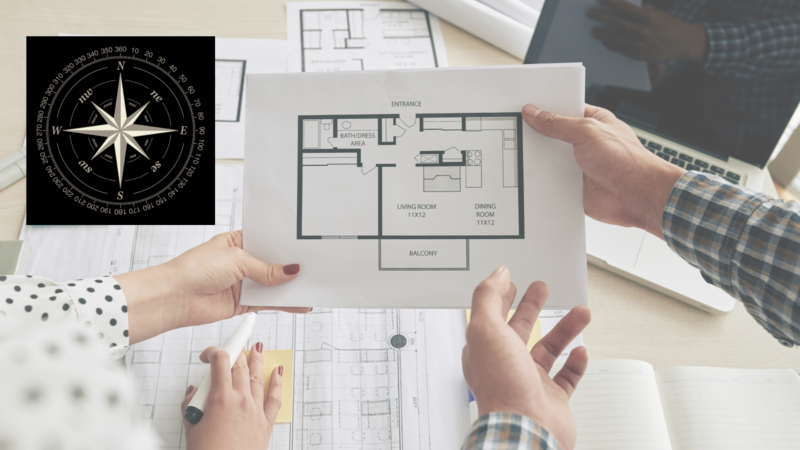
Representative Image
What Is Vastu Shastra for Home, and Does It Work?
Vastu Shastra is a traditional Indian design system, drawn from texts such as the Mayamata and Vishwakarma Prakash, that links the layout of a home to compass directions, the sun's path and the five elements: earth, water, fire, air and space. The word Vastu means dwelling.An honest reading matters here. No scientific study shows that Vastu changes health, wealth or luck. What it does give is a consistent planning framework, and several of its rules happen to match good design: morning light from the east, cross-ventilation, a kitchen where fire and water are kept apart, and an open centre for movement. Treat it as a tradition worth following where it fits your family, not as a guarantee.
Also Check: What Does ‘Vastu Compliant Home’ Mean in a Property Listing?
Vastu Directions for a House: What Each of the 8 Directions Means
Every direction carries an element and a ruling deity. The point is not to memorise them, but to see why each room lands where it does.North (Uttara): Kubera, water
Linked with opportunity and the deity of wealth. Suits the living area, the entrance and the place where you keep important documents and cash. Keep it open and bright. Avoid clutter, kitchen and heavy furniture.North-east (Ishanya): Ishana, water and space
The lightest, most sensitive zone. Traditionally kept for the pooja room, drinking water, medicines and open space. Avoid toilets, heavy storage, kitchens and clutter here. This is the zone most flat buyers worry about.East (Purva): Indra and the rising sun
The direction of morning light and new beginnings. Large windows, the living room and the study suit it.South-east (Agneya): Agni, fire
The fire corner. The kitchen, the main electrical panel and the inverter belong here. Avoid water sources and clutter here.South (Dakshina): Yama
Associated with stability and rest. Bedrooms and heavy storage fit. Many buyers fear it unnecessarily.South-west (Nairutya): Nirrti, earth
The heaviest zone, tied to strength and the head of the household. The master bedroom and the heaviest wardrobe go here. Can store money here.West (Paschima): Varuna
Linked with gains and the setting sun. Dining areas and children's rooms are common uses and can store money here.North-west (Vayavya): Vayu, air
The zone of movement. Guest room, garage, store and toilet suit it, and it is the accepted second choice for a kitchen.How to Find the Directions in Your Home (Vastu Compass Method)
A wrong direction reading ruins every other decision, so measure before you judge.- Open a compass app on your phone and hold the phone flat at waist height.
- Stand at the centre of the flat, not at the door. Draw the diagonals on the floor plan to find the centre.
- Move away from steel almirahs, lifts, speakers and the balcony grill. Metal swings the needle.
- Take two or three readings and note the main door's direction by standing inside and facing out.
- Mark each room's zone on the plan using the bearings in our guide to the Vastu Compass.
Room-by-Room Vastu for Home
You may like everything about a flat, from its price and location to its layout and interiors. But one room can still make you rethink your decision. As per Vastu, the kitchen, master bedroom, pooja room, living room, main entrance and bathrooms should follow certain directional rules.These Vastu rules can help you check the floor plan and spot any concerns. They can also help you decide whether the flat is right for you before you make the final purchase.
Main Door Vastu: Which Entrance Direction Is Best?
North and East are the preferred entrance directions. The door should be well lit, open inward and not squeak. It should be opened in a clockwise direction. A door directly facing a toilet or a lift lobby is usually flagged. See Main Door Vastu by Direction for the full breakdown by facing.Kitchen Vastu: Where to Place the Stove, Sink and Fridge
Put the kitchen in the south-east, with the hob on the south or south-east side so the cook faces east. The sink sits to the north or north-east of the platform, away from the stove.Master Bedroom Vastu: Bed Direction and Wardrobe Placement
South-west for the room, head of the bed to the south or east, wardrobe on the south or west wall. Avoid a mirror facing the bed. See Master Bedroom Vastu.Pooja Room Vastu: Direction and Layout
The north-east is the first choice. Place idols so the person praying faces east or north, and avoid a pooja unit under a staircase or backing onto a toilet wall. Read Pooja Room Direction in a Flat.Toilet and Bathroom Vastu: Best Direction in a Flat
North-west or west is ideal. The north-east and the centre of the home are the zones to avoid.Living Room, Study and Balcony
Living room in the north, east or north-east; study facing east or north; balcony kept light and open in the north or east.Vastu for Flats and Apartments: What You Can and Cannot Change
A flat is not a plot, and this is where generic guides fail the buyer. You cannot move plumbing stacks, load-bearing walls or the main door. You can move almost everything else.| Hard to change after purchase | Easy to change after purchase |
|---|---|
| Main door direction | Bed and desk direction |
| Kitchen position in the plan | Stove position inside the kitchen |
| Toilet positions and plumbing stacks | Colours, curtains and lighting |
| Master bedroom zone | Furniture layout and heavy storage |
| Window and balcony positions | Pooja items, plants, mirrors |
Vastu Tips for Homes That Need No Construction
- Keep the North, North-East and East directions clear of heavy items and clutter.
- Move heavy wardrobes and storage to the south and west walls.
- Reposition the hob inside the kitchen so the cook faces east.
- Use light colours in the north and east, earthy tones in the south-west.
- Keep toilet doors closed and add an exhaust fan.
- Light the entrance well and keep shoes in a closed cabinet.
- Declutter the centre of the flat.
- Avoid keeping shoes in the east or north-east direction of the house.
Common Vastu Mistakes in Indian Homes
- Reading a compass next to a steel grill and trusting the result.
- Judging the flat by the building's direction instead of the main door's direction.
- Treating one "wrong" room as a verdict on the whole home.
- Paying for pyramids, crystals or yantras that promise results.
- Breaking walls or shifting plumbing without society and builder approval. This can be unsafe.
- Ignoring light, ventilation and layout while chasing a perfect compass score.
- Avoid consulting a Vastu expert.
Vastu Checklist Before You Book a Flat
- Ask for the approved floor plan with a north arrow.
- Confirm the main door facing with a compass app on site.
- Note the kitchen zone and whether the hob can face east.
- Check that no toilet sits in the North, north-east or the centre.
- Check the master bedroom zone.
- Find the pooja space or a suitable north-east corner.
- Look at window openings to the north and east.
- Visit at two times of day for light and heat.
- List which mismatches are fixable by furniture and colour.
- Compare two or three units in the same tower.
- Verify RERA registration and approvals before token payment.
- Decide which two or three rules matter most to your family.
How Much Should Vastu Matter When Buying a Home?
Vastu is a legitimate preference for many families, and it can also narrow your choice of flats and affect resale conversations. Use it as a filter after the non-negotiables: legal clarity, builder track record, location, price and layout. Where two flats are equal, the better Vastu fit is a reasonable tiebreaker. A property advisor can share directional floor plans for shortlisted projects, so you can compare homes on all these points together.Summing Up
Start with the chart, measure with a compass, and separate what you can fix from what you cannot. Check the main door, kitchen, toilets and master bedroom before you book. Fix the rest with furniture and colour. A home that is bright, ventilated and well planned will serve you better than a perfect compass score.How TOI Homes Can Help
TOI Homes, backed by The Times of India Group, helps homebuyers explore curated residential projects with research-led guidance, including approved floor plans and RERA checks, so Vastu preferences can be weighed alongside everything else that decides a purchase.Frequently Asked QuestionsFAQs
North-east, east and north are the most commonly preferred directions for the main entrance. East-facing homes get morning sun and north-facing homes get steady light. South and west-facing homes are also accepted when the door position and room layout inside are well planned.
Yes. You apply the same zone logic to your own floor plan. You cannot move walls or plumbing, but you can adjust furniture, the stove position inside the kitchen, colours, lighting and the pooja corner. Check the hard-to-change items before booking and fix the rest after moving in.
The south-east is preferred because it is the zone of fire, with the north-west as the second choice. The cook should face east, and the stove and sink should not sit side by side. Avoid a kitchen in the north-east.
Traditional Vastu recommends sleeping with the head to the south or east and avoiding the north. There is no conclusive scientific evidence that direction improves sleep for everyone, so mattress comfort, room temperature and noise are practical factors to weigh as well.
The north-east is the traditional first choice, with the east as an alternative. Place the idols so the person praying faces east or north. Avoid a pooja unit under a staircase or on a wall shared with a toilet.
Identify your directions with a compass, keep the north-east light and clear, place the kitchen in the south-east and the master bedroom in the south-west, keep toilets out of the north-east, and keep the entrance bright. These cover most of what Vastu advises without construction.
No scientific evidence shows that Vastu brings wealth or prevents misfortune. It is a cultural planning tradition. Some of its guidance, such as daylight, ventilation and an uncluttered centre, improves how a home feels and works, which is a reasonable benefit on its own.
Disclaimer: The information presented by TOI Homes, part of The Times of India Group, is for general informational purposes only and does not constitute financial, legal, or investment advice. All data and insights are based on sources believed to be reliable but are not guaranteed for accuracy or completeness and are subject to change due to market conditions. The developer and associated entities are not liable for decisions made based on this information. Real estate investments involve risks, and buyers are advised to conduct independent due diligence and consult certified advisors before investing. TOI Homes does not endorse or promote any specific property or developer unless explicitly stated.