

How Bangalore Townships Are Tackling Water Challenges
This blog covers the water challenges Bangalore faces, how modern societies and residential townships are tackling them, and what this means for homebuyers in Bangalore. It also looks at how water availability and integrated water management can influence property choices and the long-term value of residential projects. It also highlights the key water management features homebuyers should look for when choosing a residential project in Bangalore.
A few years ago, most people focused on location, connectivity, and amenities. Today, many buyers ask something else first.
"Where will the water come from?"
The concern is understandable.
Bangalore has witnessed recurring water shortages, falling groundwater levels, and increasing dependence on water tankers. The situation became particularly visible during the city's water stress in 2024, when several areas faced severe supply challenges.
Yet not every residential community experienced the same level of disruption.
Many modern townships managed the situation better because they had already invested in long-term water management systems.
So, how are these townships solving a challenge that affects much of the city?

Representative Image
With around 15 million people across the wider Bengaluru urban area, the city needs more than 2 billion litres of water every day. Cauvery water meets much of the city’s piped water needs, while borewells supply groundwater to many areas, especially on the outskirts. In areas with limited piped supply, people often rely on water tankers for their daily needs.
Moving Away from a Single Water Source
One of the biggest changes in modern townships is the shift away from relying on a single water source.Older apartment projects often depended heavily on borewells. When groundwater levels dropped, residents had little choice but to purchase expensive tanker water.
Modern townships take a different approach.
Most large residential developments now use a combination of:
- Cauvery water supply
- Borewells
- Water tankers when required
- Rainwater harvesting systems
- Sewage treatment plants (STPs)
- Recycled water networks
Because if one source becomes unreliable, the community can continue operating through other available sources.
It's like having multiple backup systems instead of relying on a single solution.
How Water Reaches Homes in Modern Townships
Many homebuyers assume water arrives directly at their taps from a municipal source.In reality, the process is more structured.

Representative Image
Large townships often have dedicated water management teams that continuously monitor storage levels, consumption patterns, and treatment systems.
As a result, residents rarely think about the complex infrastructure operating behind the scenes.
The goal is simple.
Reliable water supply every day.
Rainwater Harvesting Is No Longer Just a Compliance Requirement
There was a time when rainwater harvesting was viewed mainly as a regulatory requirement.Today, it has become an essential part of water management.

Representative Image
Why does this matter?
Because Bangalore receives significant rainfall during the year. Properly capturing even a portion of that rainfall can reduce pressure on other water sources.
Think of it as saving water during the rainy months for future use.
The larger the township, the greater the opportunity to harvest meaningful volumes of water.
Recycling Water Through Sewage Treatment Plants
One of the most significant developments in recent years has been the widespread adoption of sewage treatment plants.Every day, thousands of residents use water for bathing, washing, cleaning, and other household activities.
Instead of letting that wastewater go to waste, modern townships treat and recycle it.
The treated water is generally used for purposes such as:
- Landscape irrigation
- Gardening
- Flushing systems
- Maintenance activities
- Common area cleaning
Imagine a township with several thousand residents.
If recycled water can handle non-drinking requirements, fresh water consumption drops significantly.
That creates a more sustainable system for the entire community.
Reducing Dependence on Water Tankers
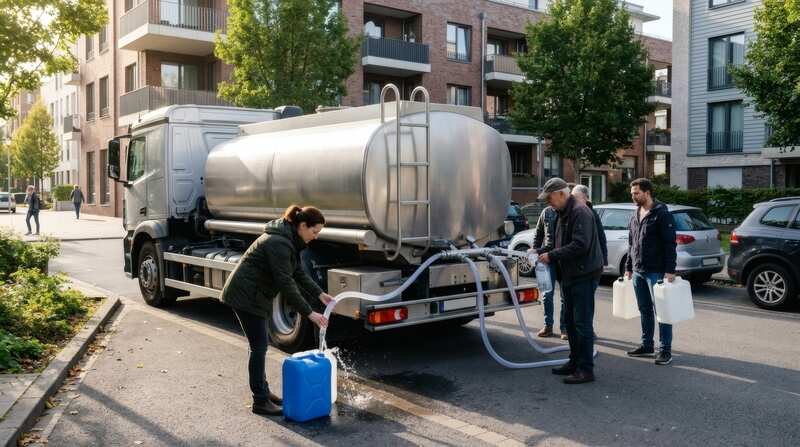
Water tankers continue to play an important role across many parts of Bangalore.However, heavy dependence on tankers can become costly and unpredictable, especially during periods of water stress.
Representative Image
Because they combine multiple water sources with recycling and rainwater harvesting systems, tanker usage often becomes a supplementary measure rather than the primary source of supply.
During the 2024 water shortage, many communities that relied heavily on tanker water faced rising costs and supply uncertainty.
Projects with integrated water management systems were generally better positioned to manage demand.
That experience reinforced the importance of long-term planning.
Smart Monitoring Helps Prevent Waste
Technology is also playing a larger role in water management.Several modern townships use digital monitoring systems to track consumption, storage levels, leakages, and treatment plant performance.
Why is this useful?
A small, unnoticed leak can waste thousands of litres over time.
Smart monitoring lets maintenance teams spot issues early and respond quickly.
For residents, this often means more reliable service and less waste.
Water conservation is not only about finding new sources.
It is also about using available resources efficiently.
Large Townships Benefit From Economies of Scale
Managing water for a standalone building can be challenging.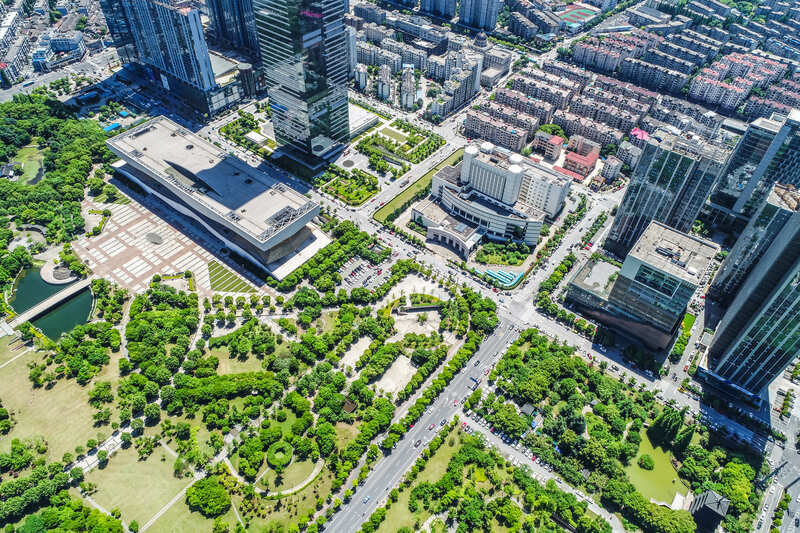
Representative Image
Because thousands of residents share common infrastructure, developers can invest in larger treatment plants, advanced recycling systems, extensive rainwater harvesting networks, and dedicated maintenance teams.
The cost is distributed across a larger community.
As a result, townships can implement solutions that may not be practical for smaller residential projects.
This is one reason many homebuyers now pay closer attention to a project's water management strategy before deciding to buy.
Water Sustainability Is Becoming a Key Homebuying Factor
A decade ago, buyers primarily compared amenities such as clubhouses, swimming pools, and sports facilities.Today, water security has become equally important.
Questions that were once rarely asked are now becoming common:
How many water sources does the project have?
Does it have a sewage treatment plant?
How much water is recycled?
Is rainwater harvesting implemented effectively?
How dependent is the community on tanker water?
The answers to these questions can significantly influence long-term living comfort.
After all, even the best amenities lose their appeal if residents struggle with necessities.
Why Water Management Matters for Bangalore Townships
As Bangalore continues to grow, water availability will remain one of the city's most important urban challenges.Modern townships are responding by adopting a multi-layer approach that combines municipal supply, groundwater, rainwater harvesting, wastewater recycling, and smart monitoring systems.
The result is more than a reliable water supply.
It is a more resilient residential ecosystem.
For homebuyers evaluating property in Bangalore today, understanding a township's water management infrastructure may be just as important as evaluating its location, connectivity, or amenities.
And, it is becoming one of the strongest indicators of how well a community is prepared for the future.
How TOI Homes Can Help
TOI Homes is a premium real estate brokerage platform. It lists selected projects in Bengaluru from trusted builders, with a strong focus on verified information and clear project details. This makes it easier for buyers to check important documents and avoid common risks.Beyond property search, TOI Homes also supports buyers with home loan assistance and legal guidance. Support continues even after purchase through post-sales services. Backed by the credibility of The Times of India Group, TOI Homes offers a more reliable and transparent homebuying experience.
Disclaimer: The information presented by TOI Homes, part of The Times of India Group, is for general informational purposes only and does not constitute financial, legal, or investment advice. All data and insights are based on sources believed to be reliable but are not guaranteed for accuracy or completeness and are subject to change due to market conditions. The developer and associated entities are not liable for decisions made based on this information. Real estate investments involve risks, and buyers are advised to conduct independent due diligence and consult certified advisors before investing. TOI Homes does not endorse or promote any specific property or developer unless explicitly stated.